What I enjoy most about writing is the freedom it gives me to express myself without limits. Writing allows me to take my thoughts, ideas, and emotions and shape them into something meaningful. It is a space where my imagination can run free, where I can create worlds, share experiences, and communicate feelings that might be difficult to say out loud.
I also enjoy how writing brings clarity. Sometimes my mind feels crowded with too many thoughts, but once I put them into words, everything feels lighter and more organized. Writing gives me a sense of peace and understanding, almost like having a conversation with myself.
Another thing I love is the power of connection. Through writing, I can share stories or ideas that touch other people’s lives, inspire them, or simply make them feel understood. It’s a way of building bridges between my world and theirs.
Most of all, writing feels like a journey of discovery—of learning new things, growing in creativity, and finding my own voice. It’s not just an activity for me; it’s something that continues to shape who I am.
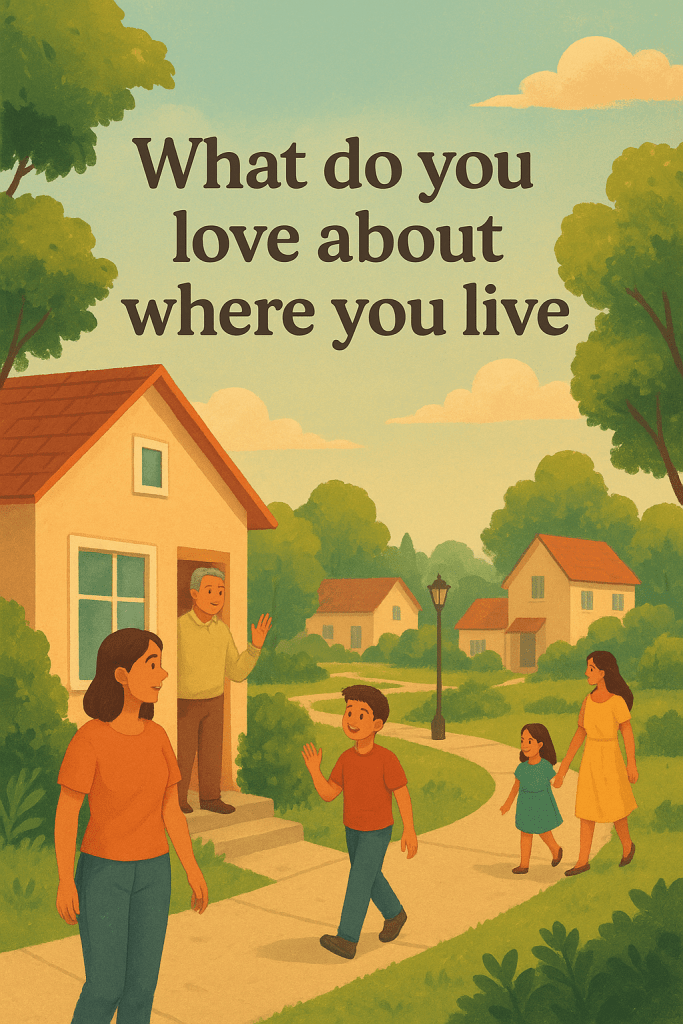
What I love most about where I live is the unique blend of comfort, community, and character that surrounds me every day. There is something truly special about waking up in a place that feels both familiar and inspiring. The environment itself brings me joy—the fresh morning air, the natural scenery, and even the little everyday sounds that remind me I am home.
The people here make it even more meaningful. Neighbors greet each other with warmth, and there is always a sense of support when needed. Whether it’s small acts of kindness or larger gestures of unity during celebrations or challenges, the community spirit is something I deeply value. It gives me a strong sense of belonging and security.
Another thing I appreciate is the cultural richness. The traditions, local foods, and lively atmosphere make life more colorful and engaging. Even simple experiences like visiting the local market or taking a walk through the neighborhood carry a sense of connection and history.
Beyond the beauty and culture, where I live gives me peace. It is a place that motivates me to grow while still allowing me to feel grounded. I love that I can find both calm and energy here, making it not just where I stay, but truly where I call home.
Positive emotions are like fuel for our daily lives; they shape how we see the world, how we interact with others, and how we respond to challenges. Personally, the positive emotions I feel most often are gratitude, joy, and hope.
Gratitude comes naturally to me because I tend to appreciate even the small things—like a kind word, a peaceful morning, or a good meal. It makes me feel content and reminds me that happiness doesn’t always come from big achievements but from noticing life’s little blessings.
Joy is another emotion I experience frequently, especially when I spend time with loved ones or achieve something I worked hard for. Even simple moments, like laughter during conversations, can fill me with joy and lighten my mood for the whole day.
Finally, hope is a constant positive emotion in my life. Even when things don’t go as planned, I hold on to the belief that tomorrow can be better. This hopeful mindset pushes me forward and helps me stay resilient in the face of difficulties.
Overall, these emotions not only uplift me but also influence how I treat others. They create a cycle of positivity that strengthens my relationships and motivates me to keep striving.
Planning your goals is like drawing a roadmap for your life—it helps you know where you’re going and how to get there. The first step is to be clear about what you want to achieve. Instead of vague statements like “I want to be successful,” make your goals specific, such as “I want to start my own business in two years” or “I want to save $5,000 by the end of the year.”
Once you have clarity, break each goal into smaller, manageable steps. This makes them less overwhelming and allows you to track your progress. Setting deadlines for each step keeps you motivated and focused. For example, if your goal is to learn a new skill, set a timeline for completing courses, practicing, and applying that skill in real life.
It’s also important to prioritize your goals—some may need your attention immediately, while others can be long-term projects. Use tools like planners, journals, or apps to stay organized. Regularly review your progress and adjust your plan if necessary, because life often brings changes.
Finally, stay disciplined and positive. Planning is just the beginning; consistency and determination are what turn plans into reality. And remember to celebrate small wins along the way—they keep you inspired to aim higher.
An emergency preparedness plan is a proactive guide that ensures you, your family, or your organization can respond effectively to unexpected crises such as natural disasters, fires, medical emergencies, or power outages. A well-thought-out plan can minimize panic, protect lives, and reduce damage.
1. Identify Potential Risks Start by listing possible emergencies relevant to your location—floods, earthquakes, storms, fire, or health outbreaks. Understanding these threats will help you prepare the right response strategies.
2. Establish Communication Methods Decide how you will contact family or team members during an emergency. Keep a list of phone numbers, ensure everyone knows emergency hotlines, and consider alternative communication methods like walkie-talkies or messaging apps that work offline.
3. Assign Roles and Responsibilities In families or groups, assign specific duties—who grabs the emergency kit, who helps children or elderly members, who secures pets, and who handles important documents.
4. Prepare an Emergency Kit Include water, non-perishable food, a flashlight, batteries, a first aid kit, essential medicines, copies of important documents, cash, blankets, and a whistle. Check and update supplies regularly.
5. Plan Evacuation Routes Know at least two safe exits from your home or workplace. Practice evacuation drills so everyone is familiar with the process and location of safe meeting points.
6. Keep Vital Information Accessible Store important papers—identification, insurance policies, medical records—in a waterproof, portable bag. Also, have digital backups stored securely online.
7. Review and Update Regularly Your plan should be reviewed every few months to adapt to changes in family members, addresses, or potential risks in your area.
Being prepared doesn’t mean living in fear—it means being ready to act confidently and quickly when the unexpected happens. An emergency plan can save lives, reduce damage, and provide peace of mind.
For me, that word is literally. People seem to sprinkle it into every conversation, often when they don’t actually mean something in the literal sense. “I was literally dying of laughter.” No, you weren’t—you were laughing a lot, but you were still very much alive.
It’s a harmless habit for most, but overuse can make the word lose its punch. When used correctly, “literally” should add clarity or emphasis. When overused, it can make sentences sound exaggerated or even confusing.
Of course, language is always evolving, and sometimes overused words eventually take on new meanings. But every now and then, I think it’s nice to pause and choose a fresher, more precise word—one that keeps our conversations interesting.
Peace, for me, is not always found in grand moments but in the small, quiet things that gently soothe the mind and heart. It’s in the early morning when the world is still, and the only sound is the soft chirping of birds. It’s in the feeling of a cool breeze brushing against my skin after a hot day, or the sight of a calm sunset painting the sky in gold and pink.
Peace comes when I am surrounded by people who make me feel safe and understood—those with whom I can simply be myself without fear of judgment. It’s in the comfort of knowing that I am exactly where I am meant to be, even if the future is uncertain.
Sometimes, peace comes from letting go—releasing grudges, forgiving mistakes (including my own), and accepting that not everything needs to be controlled. It’s found in deep breaths, in silent prayers, and in moments when I allow my heart to rest.
Above all, peace is knowing that no matter how chaotic life may become, there will always be these little moments of calm waiting for me to notice them.
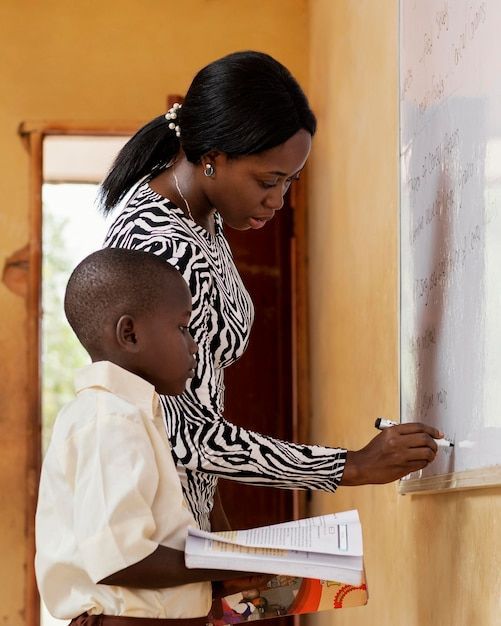
There are countless professions in the world, each playing a unique role in making society function. However, the one I admire most is the teaching profession. Teachers are the backbone of every community because they shape the minds and futures of generations. Without them, there would be no doctors, engineers, scientists, or leaders.
What makes teaching so admirable is not just the transfer of knowledge but the patience, dedication, and selflessness it requires. Teachers work tirelessly to ensure their students understand concepts, develop skills, and gain confidence. They often go beyond their job description—mentoring, motivating, and sometimes even acting as a source of emotional support.
Another reason I hold this profession in high regard is the impact teachers have. A single good teacher can change the trajectory of a student’s life, instilling values like discipline, perseverance, and curiosity. They invest in their students without always expecting recognition or high financial rewards, proving that passion and purpose can be greater motivators than money.
In a world where many professions focus on profit or personal gain, teaching stands out for its focus on service and the betterment of others. For me, that makes it one of the most noble and admirable professions of all.
If you were going to open up a shop, what would you sell?
If I were to open up a shop, I would want it to be more than just a place where people come to buy things. I imagine creating a space that feels warm, welcoming, and inspiring — a shop that sparks curiosity and leaves visitors with a smile.
I would sell “brain snacks” — little treasures that feed the mind and soul. The shelves would be filled with quirky books that make you think, puzzles that challenge your mind, beautiful stationery that makes writing a pleasure, and unique trinkets that are perfect for gifting. One of my favorite ideas would be “mystery boxes” — small packages filled with surprise items. Each box could hold anything from a mini book to a handmade craft or a thought-provoking game. You’d never know exactly what you’d get, but you’d always leave with a bit of wonder.
The atmosphere of the shop would be just as important as the items themselves. There would be soft background music playing to set a calm mood, a cozy reading corner for those who want to relax, and of course, free cups of tea for everyone who stops by. I want it to feel like a place where time slows down — where people can pause, explore, and maybe even spark new ideas.
Every product in the shop would be chosen carefully, not just for its beauty or usefulness, but for the joy and inspiration it can bring. I believe a shop should not simply sell goods; it should offer experiences and memories. When people walk in, they might be looking for something specific, but when they walk out, I want them to carry with them a sense of happiness, creativity, and curiosity. That would be my perfect shop.








 The daily draft