THE IMPORTANT OF SAYING “THANK YOU”

How do you express your gratitude?

The Importance of Saying “Thank You”

Gratitude is one of the most beautiful qualities a person can have. It reminds us to pause and appreciate the people, moments, and blessings in our lives. And one of the easiest—and most powerful—ways to show gratitude is by simply saying, “Thank you.”

But what makes these two words so important?

1. It Shows Respect and Humility

When you say thank you, you acknowledge that someone has done something meaningful, no matter how big or small. It shows you don’t take others for granted. It’s a way of saying, “I see you. I value what you’ve done.”

2. It Builds Stronger Relationships

People feel more connected when appreciation is shared. Whether it’s thanking a friend for listening, a teacher for their time, or a stranger for helping, that small act strengthens the bond between you. It encourages kindness to grow in return.

3. It Spreads Positivity

Gratitude is contagious. A heartfelt thank-you can brighten someone’s day and inspire them to do the same for others. It creates a ripple effect of goodness and respect in your home, school, workplace, or community.

4. It Boosts Your Own Well-Being

Studies show that practicing gratitude improves mental and emotional health. Saying thank you reminds you to focus on the positive, helping reduce stress, anxiety, and even depression. It’s not just good for others—it’s healing for you too.

5. It Costs Nothing, But Means Everything

You don’t need money, gifts, or fancy words to express gratitude. A sincere “thank you” from the heart is more valuable than anything money can buy. It’s a gift in itself.

Final Thought

We all have different ways of showing gratitude—through words, actions, notes, or even silence. But one of the best and easiest ways to start is with these two timeless words:
“Thank you.”

So again, we ask:
How do you express your gratitude?
If you’re not sure where to begin, start with “thank you.” The world always needs more of it.

Young People Feeling Hopeless Too Soon

I’d worry about a generation full of potential — but overwhelmed by pressure, chaos, or silence.
Worried that too many might give up before they even begin to see how powerful they are.

Why So Many Young People Feel This Way:

1. Too Much Pressure, Too Little Direction

“You need to be great. You need to succeed. But also… figure it out yourself.”

The world expects young people to achieve big things fast, but doesn’t always give real tools, mentorship, or room to grow.
So many are faking confidence while drowning in pressure.

2. The Illusion of Everyone Having It Together

Social media shows everyone else “winning” — but hides the late nights, breakdowns, confusion, and failures.

You feel behind. You feel broken. But the truth is:
Everyone is figuring it out quietly. Even the ones who look “perfect.”

3. A World That Moves Too Fast

Everything is urgent. School, money, work, trends, identity, relationships…

There’s no time to pause, reflect, or just be human.
So when you feel lost, you don’t feel allowed to slow down — you feel like you’re being left behind.

4. Loneliness in a Connected World

Surrounded by followers — but still no one to talk to.

So many young people are emotionally isolated. They smile in photos but cry at night.
And sometimes, no one notices.

What Hopelessness Looks Like (Even When It’s Hidden):

Going numb or disconnected

Always tired, even after sleeping

Feeling like a burden

Losing interest in everything

Smiling around people, but hurting in silence

Saying “I’m fine” because explaining feels too hard

If you feel this, or see someone who does — please know it’s real, and it’s okay to ask for help.

李 What Every Young Person Needs to Hear:

“You’re not late. You’re not broken. You’re not alone.”
“It’s okay not to be okay.”
“You’re allowed to take your time.”
“You have so much more inside you than this moment shows.”

And This: You’re Still Becoming

You’re still unfolding. Still building. Still growing into your strength.
You may not see it clearly yet — but your story isn’t stuck. It’s just still being written.

Hi “You don’t have to become everything at once — you just have to stay in the story.”

What are you most worried about for the future?

Before the sun climbs the sky,Before voices fill the air,Before you give, before you goTake water. Let it flow.A single sip,Cool as morning dew,Soft as the hush before dawn,Strong as the ocean’s pull.Water knows no rush,Yet carves mountains with time.It doesn’t shout,But it sustains all life.Drink first —To soothe the bones,To clear the thoughts,To calm the storm inside.Wash first —To begin again,To rinse regret,To soften yesterday’s edges.Honor water —The quiet ritual,The body’s prayer,The earth’s pure offering.In a world that demands more,Water asks nothing —Only to be received.And in return,It restores.So remember,Before the coffee, the news, the noise,Before movement,Before words —Water first. Always.—

BUILDERS OF TOMORROW

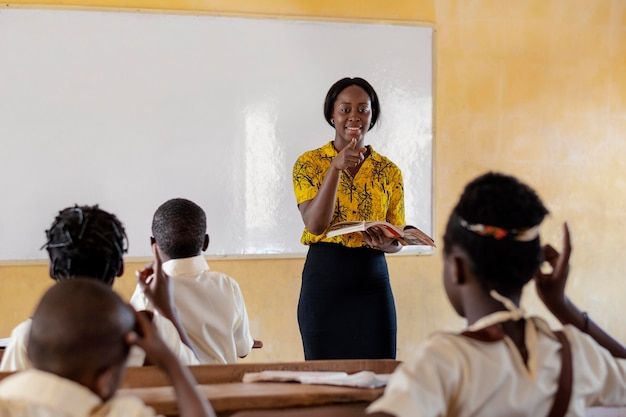
What makes a teacher great?

A great teacher is not just someone who knows a subject well, but someone who can inspire, guide, and make a real impact on their students’ lives. Here are key qualities that make a teacher truly great:

1. Passion for Teaching

A great teacher genuinely loves teaching and is enthusiastic about helping students learn and grow.

2. Deep Knowledge of the Subject

They understand their subject thoroughly and can explain it clearly and simply.

3. Patience and Understanding

They are patient with different learning speeds and treat all students with empathy and respect.

4. Strong Communication Skills

Great teachers explain things in a way that’s easy to understand and encourage questions and discussions.

5. Creativity and Innovation

They use different methods and tools to make lessons interesting and engaging.

6. High Expectations and Encouragement

They believe in their students’ potential and push them to do their best while offering support and encouragement.

7. Adaptability

A great teacher can adjust to different situations, learning styles, and challenges in the classroom.

8. Classroom Management

They create a safe, respectful, and organized learning environment where everyone has a chance to succeed.

9. Lifelong Learner

Great teachers continue to learn and grow professionally to improve their teaching.

10. Builds Relationships

They connect with their students, understand their needs, and make them feel valued.