What traditions have you not kept that your parents had?
One tradition I have not continued from my parents’ generation is the observance of traditional gender roles in the family. In my parents’ time, responsibilities in the household were clearly divided based on gender. For example, women were expected to cook, clean, and care for the children, while men handled finances, discipline, and major decision-making.
However, in my life, I believe in a more balanced and equal approach. I don’t think tasks should be assigned based on gender. Everyone in the family should be able to cook, clean, work, or contribute financially. I also believe fathers should be just as involved in parenting and emotional support as mothers.
Letting go of those traditional roles doesn’t mean I disrespect what my parents practiced — I understand that their choices were shaped by the society and culture of their time. But I also recognize that times have changed, and I want to build a more equal and flexible home life that works for everyone involved.
If you could bring back one dinosaur, which one would it be?
Title: If You Bring Back One Dinosaur, Which One Would It Be?
If I could bring back one dinosaur, it would be the Triceratops. This incredible creature stands out not just because of its iconic three horns and large bony frill, but also for its peaceful nature as a plant-eater. Unlike the terrifying carnivores like T. rex or Velociraptors, the Triceratops would pose less of a threat to humans and might even adapt to a controlled environment or sanctuary.
Its unique appearance would captivate people of all ages and make it a perfect ambassador for learning about prehistoric life. Scientists could study it to understand ancient ecosystems, while children and adults alike would marvel at seeing a real-life dinosaur that once roamed the Earth over 65 million years ago.
Bringing back the Triceratops wouldn’t just be about reviving a dinosaur—it would be about connecting our present to Earth’s ancient history in a safe and awe-inspiring way.
1) Non-aggressive nature
The Triceratops is a herbivorous dinosaur, which means it only eats plants. Unlike dangerous carnivores such as the Tyrannosaurus rex or Velociraptor, the Triceratops wouldn’t see humans or animals as food. This makes it a much safer option if we were ever to bring a dinosaur back to life.
Its calm and defensive behavior means it would be easier to care for, study, and even display in a controlled environment like a sanctuary or research center. Instead of worrying about dangerous attacks, scientists and visitors could focus on learning and observing. Choosing a peaceful dinosaur like the Triceratops allows us to safely enjoy the wonder of the prehistoric world without putting people or the environment at high risk.
So, if given the chance, I’d choose the Triceratops. What about you—would you pick a gentle herbivore or a mighty predator?
If you won two free plane tickets, where would you go?
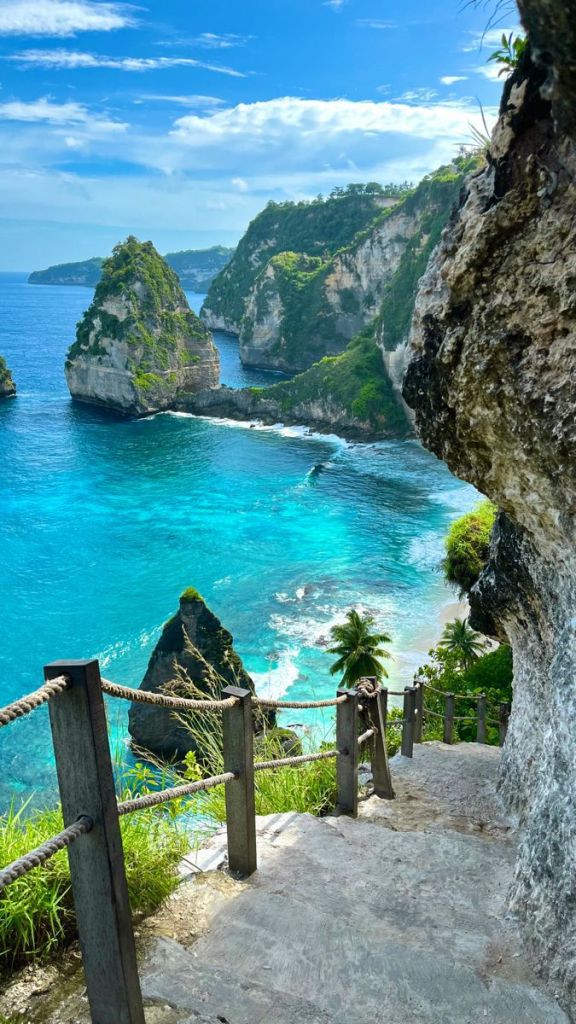
If I won two plane tickets, I would choose a destination that offers both beauty and adventure — Bali, Indonesia. With its stunning beaches, peaceful temples, and rich culture, Bali is a dream getaway. I would bring someone close to me, maybe a best friend or family member, to share the experience.
We’d explore the island’s rice terraces in Ubud, soak up the sun in Seminyak, and try local Balinese dishes like nasi goreng. The calm of the temples would offer a refreshing break from daily stress, and the island’s natural beauty would make the trip unforgettable. It wouldn’t just be a vacation — it would be a journey to reconnect, relax, and make lasting memories. I’ve always imagined walking through the narrow streets of Oia, watching the sun set over the cliffs as the sky turns gold and pink. I would bring someone special with me — someone who enjoys peace, beauty, and adventure just as much as I do.
We’d spend our mornings exploring ancient ruins, our afternoons relaxing on black sand beaches, and our evenings dining on Greek dishes like souvlaki and fresh seafood. I’d take photos of the colorful buildings, sail across the Aegean Sea, and maybe even ride a donkey up the steep paths for fun.
Santorini is more than just a tourist spot — it’s a place filled with charm, history, and romance. Winning two tickets there would be like winning a memory that lasts forever.
Write in the comments “Where would you go, if you had the chance to fly anywhere in the world”?
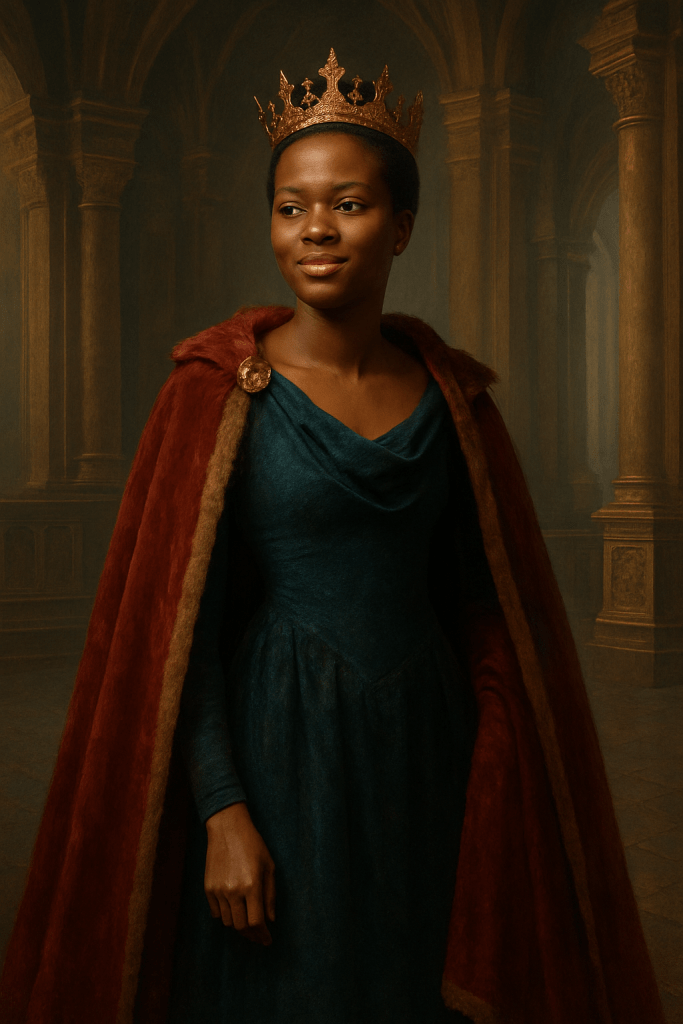
The nickname **”Queen”** carries a powerful and regal vibe—it’s a name that commands respect, confidence, and a touch of majesty. Here’s how you could expand on its meaning:
**Why “Queen”?** 1. **Natural Leadership** – Maybe you have a strong, commanding presence, and people naturally look up to you. 2. **Self-Confidence** – It could reflect your unshakable self-worth, reminding you (and others) to own your power. 3. **A Friend or Family’s Influence** – Sometimes, nicknames like this come from loved ones who see you as the “queen” of your circle—whether in humor, wisdom, or style. 4. **Pop Culture Love** – If you’re a fan of artists like Queen Latifah, Beyoncé, or the band *Queen*, the name might be a tribute to that influence. 5. **Ironic or Playful Twist** – Some “Queens” earn the title ironically—maybe you once jokingly demanded royal treatment, and it stuck!
**How It Feels to Be Called “Queen”** – Does it make you stand taller? – Do friends say it with admiration or as an inside joke? – Has it become a personal mantra to embrace your strength?
**Fun Extras** – **Royal Alter Ego?** If “Queen” is your nickname, what would your royal decree be? (*”More naps for the kingdom!”*) – **Signature Move?** Every queen has one—yours could be a fierce eyebrow raise, a legendary laugh, or always having the best advice.
Would you say your nickname fits you perfectly, or did it surprise you at first? 👑
What strategies do you use to maintain your health and well-being?
Maintaining my health and well-being is something I take seriously, and I’ve developed a few key habits that help me stay balanced. I try to eat nutritious meals, stay hydrated, and get enough sleep each night. Regular exercise, even simple walks or stretching, helps keep my body active and my mind clear. I also take time for mental wellness—whether it’s journaling, meditating, or just spending time doing things I enjoy. These small but consistent efforts make a big difference in how I feel each day.
Taking care of my health and well-being is a daily commitment. I’ve learned that true wellness comes from balance—between body, mind, and emotions. To start with, I prioritize a balanced diet filled with fruits, vegetables, whole grains, and enough water to stay energized and focused. I avoid too much junk food and make healthier choices whenever I can.
Physical activity is also important to me. Even if I can’t make it to the gym, I try to stay active through walking, stretching, or doing simple home workouts. Movement helps me feel stronger and improves my mood.
Equally important is rest. I aim for 7 to 8 hours of sleep every night, which allows my body to recover and my mind to stay sharp. When I don’t sleep well, I feel it in everything I do.
Mental and emotional well-being are things I nurture by taking breaks, spending time with loved ones, and doing activities that make me feel good—like listening to music, reading, or simply relaxing. I also try to manage stress through prayer, mindfulness, or writing down my thoughts.
By combining these habits, I create a healthy routine that supports both my body and mind. It’s not always perfect, but I’ve learned that even small, consistent steps lead to long-term well-being.
Everyone has dreams, ambitions, and a picture of what their future should look like. When I think about my own future plans, I see a journey filled with growth, learning, and purpose.
My immediate plan is to keep building on the skills I’ve already started developing. Whether it’s through education, personal development, or creative expression, I want to stay consistent and intentional. I aim to take steps daily—no matter how small—that lead me closer to my goals.
In the long term, I hope to build a career that aligns with both my passion and my values. I want to make a positive impact—on my community, my family, and the world around me. I also plan to continue learning, exploring new ideas, and staying open to change, because I believe the future belongs to those who are willing to adapt and grow.
More than just achieving success, I want a future filled with meaning. I want to look back and be proud not just of what I did, but of how I lived—kindly, bravely, and with integrity.
1. Personal Growth One of my biggest future goals is to continue growing as a person—mentally, emotionally, and spiritually. I believe in lifelong learning, so I plan to keep reading, exploring, asking questions, and challenging myself to be better than I was yesterday. I want to build strong habits like discipline, patience, and resilience that will guide me through life.
2. Education and Skill Development Education is the key to many doors. I plan to complete my studies and pursue any additional courses or certifications that will sharpen my abilities. In a fast-changing world, staying updated is essential. Whether it’s in tech, business, arts, or any chosen field, I want to keep learning and evolving.
3. Career and Ambition I aim to build a career that I truly enjoy—a profession that not only provides income but also purpose. I want to do meaningful work that helps others, solves problems, or contributes to something bigger than myself. I’m also open to starting my own business or exploring innovative ideas that can make a difference.
4. Family and Relationships No matter how successful I become, I plan to prioritize relationships. I want to build a happy, supportive family in the future, and maintain friendships that are rooted in love, trust, and understanding. The people around me matter just as much as the goals I pursue.
5. Giving Back A major part of my future plan is to give back. I want to support causes I care about, mentor others, and help my community grow. I believe success is more beautiful when shared. I hope to use my voice, my time, and whatever I earn to help people who need it.
6. Health and Well-being I plan to take care of my physical and mental health. No matter how ambitious life gets, I want to make sure I am healthy and strong—because without good health, no goal can be fully enjoyed.
7. Travel and Exploration There’s a world out there full of lessons, culture, and beauty. I hope to travel someday—to see different places, meet new people, and experience life beyond my comfort zone. Every journey will teach me something new about life and myself.
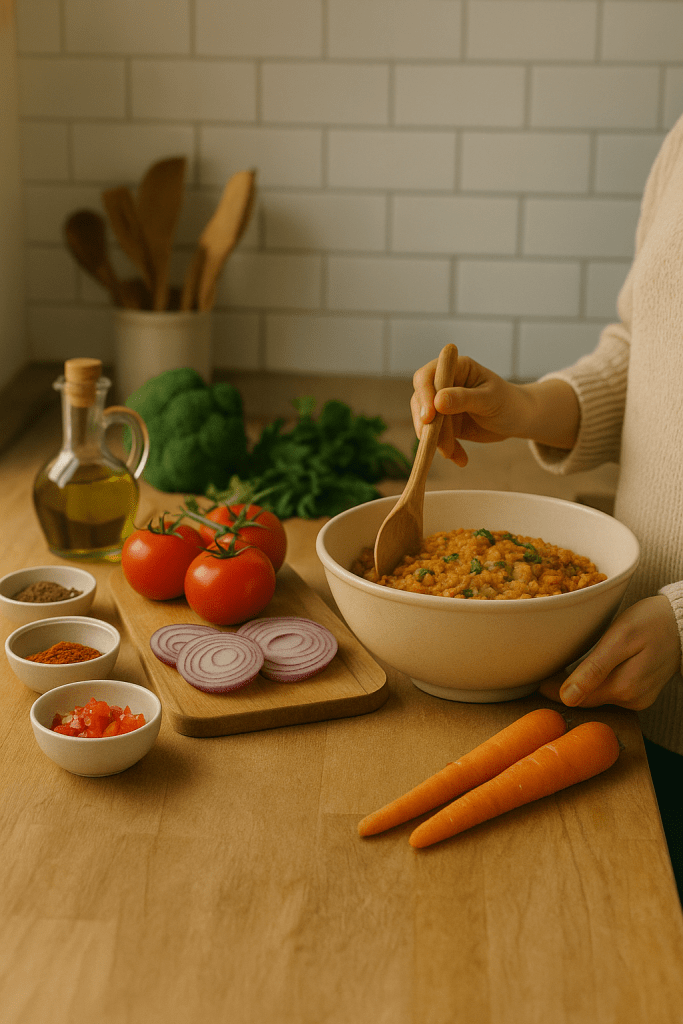
Cooking is more than just a daily task—it’s a creative experience, a way to express love, culture, and personality. Have you ever thought about what food you’d like to make if you had all the ingredients and time you needed? Would it be something comforting like jollof rice, sweet and spicy like suya, or maybe a freshly baked chocolate cake?
📌What Food Would You Like to Make?📌
If you had all the ingredients and time in the world, what’s that one dish you’d love to cook?
The food you choose says something about you. Maybe you’d like to try making a family recipe, explore a new culture through its cuisine, or finally master that one dish you’ve been craving. Whether it’s simple or complex, spicy or sweet, homemade food always tastes better when you’ve made it with care.
Would it be something from your childhood? A trending recipe from TikTok? Or a dish that reminds you of someone special?
Cooking is more than food—it’s memory, love, creativity. Whether it’s spicy jollof rice, creamy pasta, or a warm pot of soup, homemade meals always have a special taste. ❤️
Tell me in the comments: What food would YOU like to make? #HomeCooking #FoodGoals #WhatWouldYouCook #KitchenVibes
Dogs and cats are two of the most popular pets worldwide, each with unique traits that endear them to humans. While they have different behaviors and care needs, both provide companionship, love, and joy to their owners.
1. Characteristics of Dogs: – Loyal and social animals, often called “man’s best friend.” – Require regular exercise, training, and attention. – Varied breeds, from tiny Chihuahuas to giant Great Danes. – Communicate through barking, tail wagging, and body language.
2. Characteristics of Cats – Independent yet affectionate, forming strong bonds with owners. – Lower maintenance than dogs; they groom themselves and use litter boxes. – Agile hunters with sharp instincts. – Communicate through meowing, purring, and body postures.
3. Dogs vs. Cats: Key Differences | Trait | Dogs | Cats | |——————|———————————–|———————————–| |Social Needs | Highly social, thrive on com
the dog has a happy relaxed expression while the cat looks mischievous get an image for that
panty | More independent, enjoy solitude | | Care Level | Need walks, training, and play | Self-cleaning, less hands-on | | **Lifespan | 10-15 years (varies by breed) | 12-20 years |
4. Why People Love Them – Dogs offer active companionship and protection. – Cats provide calming presence and playful antics.
Conclusion: Whether you prefer the energetic loyalty of a dog or the quiet independence of a cat, both pets enrich lives in their own ways. The choice depends on lifestyle, personality, and the kind of companionship you seek.
Life often presents us with a choice between two powerful forces: security and adventure. Each represents a different path — one rooted in stability and safety, the other in risk and discovery.
Right now, many people, including myself, are drawn to security — and that’s okay. In a world full of uncertainty, having a steady job, a reliable routine, and emotional peace can feel like true freedom. It allows us to breathe, plan, and grow without fear.
Security doesn’t mean settling. It means building a solid foundation — something strong enough to support future dreams. It’s about protecting your peace, valuing your time, and creating a life that feels safe and purposeful.
On the other hand, adventure calls to those ready to take risks, explore the unknown, and break away from comfort zones. It’s the path of change, growth, and sometimes chaos — but also the birthplace of great transformation.
At different times in life, we may choose one over the other. And sometimes, the real magic is in learning how to balance both — knowing when to pause for stability, and when to leap into the unknown.
So ask yourself: What do I need most right now — security or adventure? Whatever your answer is, honor it. There’s no wrong path — only the one that speaks to your soul today.
Sometimes, we feel guilty for choosing security — like we should always be chasing dreams, taking risks, or doing something bold. But the truth is, rest is also progress, and security is often the soil where growth quietly begins.
A steady job, a safe space, a clear routine — these aren’t signs of playing it small. They’re signs of self-respect. They show you care about your well-being, your future, and the life you’re trying to build.
Still, adventure doesn’t vanish just because you’ve chosen security. It’s always there, waiting patiently for when you’re ready. Adventure might even look different now — not as wild leaps, but as slow, intentional steps toward something better.
Choosing security might mean:
Saying yes to a job that pays less but gives you peace.
Staying home to heal rather than traveling to escape.
Focusing on mental health, family, or faith instead of chasing status.
On the other hand, choosing adventure might mean:
Starting something new without all the answers.
Letting go of control and trusting the unknown.
Believing in your ability to figure things out as you go.





 The daily draft